
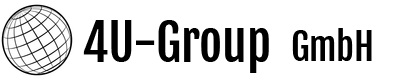
A PPA for businesses is a multi-year supply contract under which you purchase electricity from a specific wind or solar plant at a pre-agreed price. It creates price visibility and verifiable renewable electricity. It does not guarantee savings, and that is an important point to understand before signing.
Optimization & Marketing
PPA for Businesses: Secure Electricity Prices Long Term with Renewable Power from a Real Asset

A renewable-energy PPA (Power Purchase Agreement) is a long-term supply or financial contract under which a company purchases electricity directly from a wind or solar plant on pre-agreed terms. The EU defines a power purchase agreement as a contract under which a person agrees to purchase electricity from an electricity producer on a market basis [Source: Verordnung (EU) 2019/943, Art. 2 Nr. 77, in der Fassung der Verordnung (EU) 2024/1747, EUR-Lex, https://eur-lex.europa.eu/legal-content/DE/TXT/?uri=CELEX%3A32024R1747]. For industrial and commercial businesses, a renewable PPA is therefore simultaneously an electricity procurement, price-risk management and decarbonization instrument.

A PPA does not replace electricity trading; it complements it. Because solar and wind generation do not follow a company’s load profile, residual volumes and surpluses must be procured or sold through the futures, day-ahead and intraday markets. The degree of price volatility is illustrated by 2025: the day-ahead price averaged €89.32/MWh, was negative in 573 hours and exceeded €300/MWh in 40 hours [Source: Bundesnetzagentur, Pressemitteilung „Bundesnetzagentur veröffentlicht Daten zum Electricitymarkt 2025“, 05.01.2026, https://www.bundesnetzagentur.de/SharedDocs/Pressemitteilungen/DE/2026/20260105_Smard.html].
This page explains how electricity trading and renewable PPAs work, the common contract models, the required metering, forecasting and balancing infrastructure, the legal framework and the economic metrics companies should use to evaluate a PPA.
Table of contents
What Do Electricity Trading and Renewable PPAs Mean?
Electricity trading means buying and selling electricity as a wholesale energy product—on an exchange (EEX for futures, EPEX SPOT for the spot market) or over the counter (OTC). Companies generally do not trade directly but through a supplier or service provider that procures volumes on their behalf. What matters is when and at what prices volumes are fixed and who bears deviations between the procured profile and actual consumption.
A renewable PPA is a specific supply or hedging contract linked to an identifiable generation asset. In addition to the electricity or price hedge, the buyer generally receives the asset’s guarantees of origin. In Germany, guarantees of origin are issued only for electricity that does not receive EEG support [Source: Umweltbundesamt, „Hintergrundwissen Ökostrom: Electricitykennzeichen & Herkunftsnachweis“, 2026, https://www.umweltbundesamt.de/themen/klima-energie/erneuerbare-energien/hintergrundwissen-oekostrom-stromkennzeichen]. The generator sells the electricity through other direct marketing Direktvermarktung.
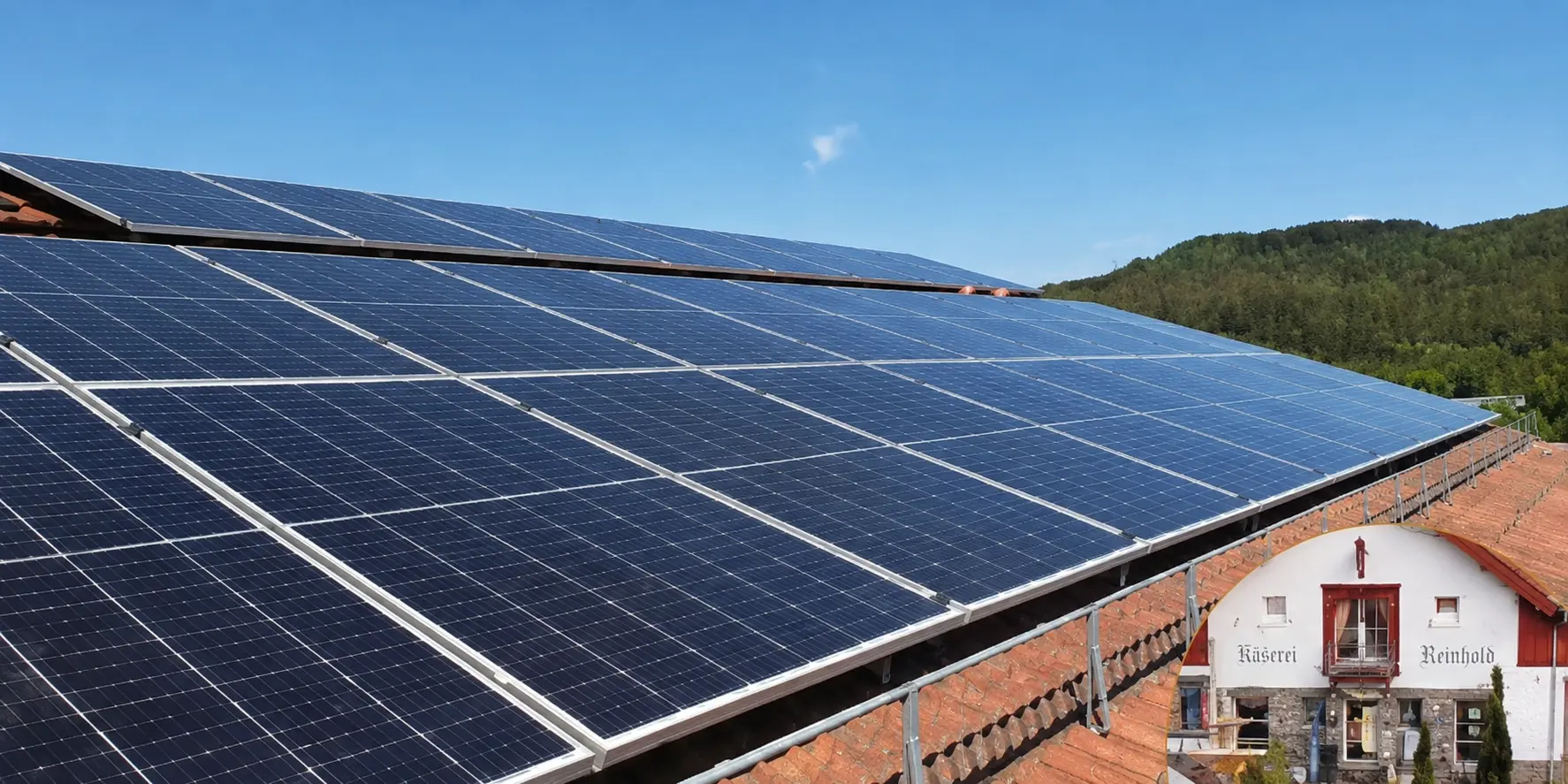
Info box: key terms explained
- Baseload / Peakload: delivery at constant power across all hours or across 8 a.m.–8 p.m. on working days.
- Future / Forward: contract for future delivery at a price fixed today (exchange-traded or OTC).
- Pay-as-produced (PAP): the buyer pays the PPA price for each megawatt-hour actually generated.
- Sleeving: an energy supplier handles physical delivery and structuring of PPA volumes for a fee.
- Capture Rate: ratio of the market value achieved by a technology to the average wholesale price.
Electricity Price Components: What Procurement Can Influence
For industrial businesses consuming 160,000 to 20 million kWh, the average electricity price in 2026 was just under 18 ct/kWh according to the October BDEW electricity-price analysis. Procurement, grid fees and retail make up the largest block. Taxes, charges and levies account for around 2.5 ct/kWh.
Table 1: Electricity Price Components and Ways to Influence Them
Component | Influenced by | Note |
|---|---|---|
Energy procurement (wholesale price, structuring) | Procurement strategy, PPA, flexibility, dynamic tariffs | Größter variabler Block; Preisrisiko |
Grid fees (energy and demand charges) | Load management, peak Shaving, self-consumption | Capacity charge from 2029 under AgNes draft |
Electricity tax | Relief under Section 9b ElectricityStG for the manufacturing sector | Permanently 0.05 ct/kWh after relief since 2026 |
Levies (EnFG) and concession fee | Kaum; teils Begrenzungsregelungen | Depends on consumption and sector |
Industrial electricity price aid (2026–2028) | Application where eligible (KUEBLL list) | Target price 5 ct/kWh for up to 50% of consumption |
Own illustration based on the BDEW electricity-price analysis autumn 2026; ElectricityStG; information on the industrial electricity price following reporting on EU approval of 16 Apr 2026; primary source: BMWE, industrial electricity price funding guideline, BAnz AT 06.05.2026 B1 (implemented by BAFA).
Industrial electricity price: following state-aid approval by the European Commission on 16 April 2026, companies in sectors listed in KUEBLL List 1 can receive retroactive relief for up to 50% of consumption for 2026–2028; for 2026, a reference price of 8.744 ct/kWh and relief of 3.744 ct/kWh are reported, combined with a reinvestment obligation [Source: Stadtwerke Witten, „Industriestrompreis 2026“, 2026, https://www.stadtwerke-witten.de/ueber-uns/aktuelles/magazin/industriestrompreis-2026; Primary source: BMWE, Förderrichtlinie Industriestrompreis, BAnz AT 06.05.2026 B1 (Vollzug: BAFA)]. For most mid-sized companies, this aid is not accessible, so intelligent procurement remains essential.
Electricity Markets at a Glance: Futures, Day-Ahead and Intraday
The wholesale electricity market is structured by time horizon. The closer delivery gets, the shorter the products become and the more strongly prices reflect weather, power-plant availability and actual demand.
Table 2: Wholesale Electricity Market Segments
Market segment | Products / time horizon | Relevance for businesses |
|---|---|---|
Futures market (EEX, OTC) | Annual, quarterly and monthly Base/Peak products several years ahead | Price hedging, budget planning, tranche procurement |
Day-ahead market (EPEX SPOT) | Auktion am Vortag; seit 01.10.2025 in Viertelstundenauflösung | Reference for spot tariffs, dynamic prices and market values |
Intraday market (EPEX SPOT) | Continuous trading until shortly before delivery | Balancing forecast deviations, marketing flexibility |
Balancing energy / imbalance energy | Reserve provision and activation by transmission system operators | Kostenfaktor für Abweichungen im Bilanzkreis; Erlösquelle für Flexibilität |
Eigene Darstellung; Viertelstundenauflösung Day-Ahead nach EPEX SPOT [Source: EPEX SPOT, „15-minute products live in EPEX SPOT Day-Ahead markets“, 2025, https://www.epexspot.com/en/news/15-minute-products-live-epex-spot-day-ahead-markets; Title and date currently under review].
Futures and spot markets are linked: an annual product traded in 2024 for delivery in 2025 averaged around €88.70/MWh, almost exactly matching the later day-ahead average of €89.32/MWh [Source: Bundesnetzagentur, Pressemitteilung vom 05.01.2026, https://www.bundesnetzagentur.de/SharedDocs/Pressemitteilungen/DE/2026/20260105_Smard.html]. Futures prices are therefore not guaranteed forecasts, but they are market-based expectations. For delivery year 2027, the Base annual product traded in a range of roughly €100–115/MWh during summer 2026 [Source currently under review: aktuelle Settlement-Preise der EEX, https://www.eex.com/de/marktdaten/strom/futures].
Procurement Strategies for Businesses
The right procurement strategy depends on consumption volume, load profile, risk appetite, budgeting cycle and available flexibility. In practice, four basic models have become established:
Table 3: Procurement Models Compared
Model | How it works | Suitable for |
|---|---|---|
Fixed-price contract (full supply) | Lieferant fixiert Preis für Laufzeit; trägt Mengen- und Structurerisiko | Smaller consumers with low risk appetite |
tranche procurement | Teilmengen werden zu mehreren Zeitpunkten am Terminmarkt fixiert; Rest über Spot | Medium and large consumers with structured planning processes |
Spot indexation / dynamic tariff | Price follows day-Ahead prices by 15-minute interval or hour | Businesses with flexibility, storage or on-site generation |
Portfolio with PPA | PPA deckt einen Teil der Menge; Rest strukturiert über Termin- und Spotmarkt | Businesses with decarbonization targets and a long-term site perspective |
Own illustration.
For most mid-sized companies, a portfolio approach is sensible: a base hedge using futures or PPA volumes, complemented by a flexible spot share that is actively managed through load shifting, on-site generation and storage Eigenverbrauchsoptimierung.
Renewable PPA: Contract Models and Price Structures
By Delivery Route
- On-site-PPA: Die Anlage steht auf dem Gelände oder in unmittelbarer Nähe; Lieferung über eine eigene Leitung ohne Nutzung des öffentlichen Netzes. Netzentgelte entfallen für diese Mengen, dafür sind Messkonzept, Electricity tax und Lieferantenpflichten zu klären.
- Physical off-site PPA: the asset feeds into the public grid; volumes are transferred to the buyer through balancing groups, often with a supplier acting as sleeving partner.
- Financial (virtual) off-site PPA: no physical electricity flows between the contracting parties. Generator and buyer each trade electricity on the market and financially settle the difference to the agreed price (Contract for Difference).
By Price and Volume Structure
Table 4: Renewable PPA Price and Volume Structures
Structure | Volume and profile risk | Comment |
|---|---|---|
Pay-as-produced (PAP) | Buyer | Niedrigster Preis; Buyer trägt Wetter- und Profilrisiko |
Pay-as-nominated / schedule | Shared according to nomination | Generator delivers according to nominated schedule |
Baseload profile (structured) | Generator or Structureierer | Höherer Preis wegen Structureierungskosten |
Hybrid PPA (PV + wind + storage) | Reduced through profile complementarity | More even delivery; storage smooths the midday peak |
Floor/Cap-Modele | Limited price risk | Minimum and maximum prices instead of a fixed price |
Own illustration.
Rules for negative prices are particularly important: whether the buyer pays during negative day-ahead prices, whether the asset is curtailed and how lost volumes are treated can shift substantial risk. dena observes that negative-price periods are increasingly addressed through specific contractual provisions [Source: Deutsche Energie-Agentur (dena), „PPA-Marktanalyse 2025“, April 2026, https://www.dena.de/fileadmin/dena/Publikationen/PDFs/2026/PPA_Marktanalyse_2025.pdf; Page number currently under review].
On-site-PPA
ElectricityGeneratorBuyer
MoneyBuyerGenerator
Guarantees of originGeneratorBuyer
Physical off-site PPA
ElectricityGeneratorSupplier/Sleeving PartnerBuyer
MoneyBuyerGenerator
Guarantees of originGeneratorBuyer
Financial PPA
ElectricityGeneratorExchangeSupplier/Sleeving PartnerBuyer
MoneyBuyerGenerator
Guarantees of originGeneratorBuyer
Eigene Darstellung · Electricity-, Money- und HKN-Flüsse
The PPA Market in Germany: Current Development
How is the PPA market developing in Germany? The German PPA market contracted significantly in 2025. According to dena’s market analysis, the number of deals fell from 51 to 27 and contracted capacity from 2.2 to 1.3 GW. Germany dropped from second to fourth place in Europe, behind Spain, Italy and Poland.
Den stärksten Rückgang verzeichnete das Solar-PPA-Segment. Als Hauptursachen nennt die dena sinkende Capture Rates, Risiken durch negative Preise und eine gesunkene Nachfrage von Unternehmen. Gleichzeitig wachsen Fixed-Price-Agreements für Batteriespeicher: Ihr Volumen stieg von 140 auf 249 MW, die häufigste Structure sind Tolling-Verträge [Source: dena, „PPA-Marktanalyse 2025“, a. a. O.]. Shorter PPAs with terms under five years are also becoming more common [Source: dena, „PPA-Marktanalyse 2025“, Infoseite, https://www.dena.de/infocenter/ppa-marktanalyse-2025/].
Zur Preisorientierung: Die dena gibt auf Basis von Pexapark für ein zehnjähriges Pay-as-produced-Solar-PPA mit Lieferbeginn 1. Januar 2027 eine Indikation von 40 bis 48 €/MWh an (Stand Juli 2025, ohne Kosten für Ausgleichsenergie, Guarantees of origin und Kreditrisiko) [Source: dena, „PPA-Marktanalyse 2024“, 2025, https://www.dena.de/fileadmin/dena/Publikationen/PDFs/2025/PPA_Marktanalyse_2024.pdf]. Current prices for transactions in autumn 2026 should be obtained from market indices or offers [Source currently under review].
PPA Risks and How They Are Allocated
A PPA transfers risk over many years. The main risk categories are:
- Preisrisiko: Fallen Marktpreise unter den PPA-Preis, zahlt der Buyer mehr als am Markt; steigen sie, profitiert er.
- Mengen- und Wetterrisiko: Bei PAP-Structureen schwankt die gelieferte Menge mit Einstrahlung und Wind.
- Profile or shape risk: generation does not coincide with consumption; surpluses must be sold at lower prices while shortfalls may be procured at higher prices.
- Cannibalization: as PV deployment grows, the market value of solar electricity declines; in 2025 the annual solar market value was 4.508 ct/kWh, compared with 8.932 ct/kWh across all energy sources [Source: netztransparenz.de, Marktwertübersicht, https://www.netztransparenz.de/de-de/Erneuerbare-Energien-und-Umlagen/EEG/Transparenzanforderungen/Marktpr%C3%A4mie/Marktwert%C3%BCbersicht].
- Default risk (creditworthiness): over ten years, each party must remain able to perform; the EU explicitly identifies buyer payment default risk as a barrier to PPAs [Source: Verordnung (EU) 2024/1747, Erwägungsgrund 28, https://eur-lex.europa.eu/legal-content/DE/TXT/?uri=CELEX%3A32024R1747].

- Regulatory risk: changes to grid fees, taxes, levies or support schemes (e.g. EEG 2027, AgNes) can alter economics.
Good PPA contracts address these risks explicitly through price structures, volume bands, negative-price rules, security arrangements (guarantees, sureties), change-in-law clauses and termination rights.
Technical Infrastructure: Metering, Forecasting, Balancing and Energy Management
Electricityhandel und PPA sind nur so gut wie die Daten, auf denen sie beruhen. Die Wirkungskette lautet: Messung → Loadprognose → Beschaffungsplan bzw. Fahrplan → Bilanzkreis → Abweichungsausgleich → Abrechnung.
Metering Data and Load Profile
Erst der Abgleich zwischen Ihrem Loadgang und dem Erzeugungsprofil der PPA-Anlage zeigt, wie viel Electricity zeitgleich genutzt wird und wie viel Surplus oder Residual demand am Markt ausgeglichen werden muss. Mehr dazu bei der Loadprofilanalyse.
Forecast and Schedule
For structured procurement, consumption is forecast for the following day and longer horizons based on historical load profiles, production planning, calendar effects and weather data. PPA volumes also require a generation forecast. Deviations between the nominated schedule and actual values are settled through balancing energy; depending on the contract, the costs are borne by the supplier, sleeving partner or company.
Energy Management System and Interfaces
An energy management system connects procurement and operations: it receives price and schedule signals via supplier interfaces (APIs), knows current grid consumption from real-time metering and controls flexible consumers, battery storage or on-site generation through fieldbus protocols such as Modbus TCP. This allows residual volumes to be shifted into low-price 15-minute intervals and schedule deviations to be limited Energiemanagement & EMS. Für steuerbare Anlagen hinter dem Netzanschluss stellt das BSI mit der TR-03109-5 Mindestanforderungen an die sichere Anbindung über das Smart Meter Gateway [Source: BSI, „Technische Richtlinie BSI TR-03109-5“, https://www.bsi.bund.de/DE/Themen/Unternehmen-und-Organisationen/Standards-und-Zertifizierung/Smart-metering/Kommunikationsadapter/TechnRichtlinie/TR-03109-5.html].
- Simultaneous coverage
- Residual demand
- Surplus
- Load
- PPA generation
Beispielhafter Verlauf. Eigene Modelierung auf Basis monatlicher PVGIS-Mittelprofile (SARAH3, 2005–2023): Trier, 30° Süd, 14 % pauschale Verluste; Bandlast 20.000 MWh/a, Solarprofil 8.000 MWh/a. Stündliche Strahlungswerte linear auf 15 Minuten interpoliert; MEZ. Quelle: European Commission, Joint Research Centre / PVGIS 5.3; Abruf 24.10.2026.
European Commission, Joint Research Centre / PVGIS
Flexibilität, Speicher und dynamische Electricitypreise
As the share of wind and solar grows, intraday price spreads increase. In 2025, in addition to 573 hours with negative prices, there were 40 hours with prices above €300/MWh [Source: Bundesnetzagentur, Pressemitteilung vom 05.01.2026, a. a. O.]. Businesses that can shift consumption can reduce procurement costs while also reducing the profile risk of a solar PPA.
- Loadverschiebung: Produktionsschritte, Kälte, Druckluft, Ladeinfrastruktur oder Wärmeerzeugung in Zeiten niedriger Preise bzw. hoher PPA generation legen.
- Batteriespeicher: Mittagsüberschüsse aus dem PPA speichern und in Abendstunden nutzen; die dena beobachtet Batteriespeicher und Co-Location als wesentlichen Component des PPA-Marktes [Source: dena, „PPA-Marktanalyse 2025“, Infoseite, https://www.dena.de/infocenter/ppa-marktanalyse-2025/].
- Dynamic tariffs: spot-indexed residual volumes allow flexibility to be converted directly into cost benefits.
- Grenzen: Loadverschiebung darf Loadspitzen und damit Leistungspreise nicht erhöhen; Beschaffungs- und Netzentgeltoptimierung müssen gemeinsam betrachtet werden Peak-Shaving.
Own illustration based on data from Federal Network Agency | SMARD.de, Marktgebiet DE-LU. CC BY 4.0; Abruf 24.10.2026. Arithmetische Mittel der Viertelstundenpreise je lokaler Stunde und Quartal 2025. Q1: Januar–März, Q2: April–Juni, Q3: Juli–September, Q4: Oktober–Dezember. Keine Interpolation; vor Oktober in SMARD innerhalb der Stunde wiederholte Preise.
Economics of a Renewable PPA: KPIs and Example Calculation
Key KPIs
- Effective procurement price (€/MWh) across the overall portfolio of PPA, futures and spot volumes.
- Simultaneous coveragesquote: Anteil der PPA-Menge, der zeitgleich im Betrieb verbraucht wird.
- Profil- und Structurekosten (€/MWh): Sleeving-Entgelt, Ausgleichsenergie, Wiederverkaufsverlust für Überschüsse.
- Hedging ratio: share of consumption with a fixed price over the planning period.
- Present value of additional or reduced costs compared with futures-market scenarios and the portfolio’s Value-at-Risk.
- Wert der Guarantees of origin und Beitrag zur Reduktion marktbasierter Scope-2-Emissionen [Methodik wird anhand der GHG Protocol Scope 2 Guidance derzeit geprüft].
Example Calculation: Industrial Baseload Consumer with Solar PPA
The following example illustrates the calculation logic. All prices are indicative or example values and do not replace a portfolio assessment. A business consumes 20,000 MWh per year with an almost baseload profile. It signs a ten-year pay-as-produced solar PPA for around 8,000 MWh per year. Because of midday and weekend surpluses, 20% of the PPA volume is not consumed simultaneously and is resold on the spot market.
Table 5: Example Portfolio Calculation with Solar PPA (Example Values, per Year)
Position | Portfolio with PPA | Futures market only |
|---|---|---|
Consumption | 20.000 MWh | 20.000 MWh |
PPA volume × price | 8.000 MWh × 50 €/MWh = 400.000 € | – |
Sleeving/Structureierung | 8.000 MWh × 4 €/MWh = 32.000 € | – |
Wiederverkauf Surplus | 1.600 MWh × 35 €/MWh = −56.000 € | – |
Residual volume futures/spot market | 13.600 MWh × 108 €/MWh = 1.468.800 € | 20.000 MWh × 108 €/MWh = 2.160.000 € |
Total energy procurement | 1.844.800 € | 2.160.000 € |
Effective price | 92,24 €/MWh | 108,00 €/MWh |
Sensitivity: market price €78/MWh | 71,84 €/MWh | 78,00 €/MWh |
Sensitivity: market price €58/MWh | 58,24 €/MWh | 58,00 €/MWh |
Eigene Berechnung mit Beispielwerten. PPA-Preis orientiert an der Pexapark-Indikation in dena, PPA-Marktanalyse 2024, zuzüglich Aufschlag; Marktpreis 108 €/MWh = angenommener Terminpreis Base plus Structureierungsaufschlag. Ohne Netzentgelte, Steuern, Umlagen und Wert der Guarantees of origin.
Das Ergebnis zeigt die Logik eines PPA: Bei hohen Marktpreisen senkt es den effektiven Beschaffungspreis deutlich, bei niedrigen Marktpreisen ist es neutral oder teurer. Ein PPA ist damit vor allem ein Absicherungsinstrument. Sein Wert liegt in der Planbarkeit über zehn Jahre und in den Guarantees of originn – nicht in einer garantierten Einsparung. Entscheidend sind PPA-Preis, Wiederverkaufswert der Überschüsse und Structureierungskosten.
- Portfolio with PPA
- Without PPA
Beispielwerte: 20.000 MWh Consumption; 8.000 MWh PPA × 50 €/MWh; 4 €/MWh Sleeving; 1.600 MWh Wiederverkauf × 35 €/MWh; 13.600 MWh Restmenge.
Eigene Berechnung mit Beispielwerten. PPA-Preis orientiert an der Pexapark-Indikation in dena, PPA-Marktanalyse 2024, zuzüglich Aufschlag; Marktpreis 108 €/MWh = angenommener Terminpreis Base plus Structureierungsaufschlag. Ohne Netzentgelte, Steuern, Umlagen und Wert der Guarantees of origin.
Legal and Regulatory Framework
European Law
Mit der Reform des EU-Electricitymarktdesigns wurde ein eigenes Kapitel zu Electricitybezugsverträgen in die Elektrizitätsbinnenmarkt-Verordnung eingefügt. Nach Art. 19a fördern die Mitgliedstaaten die Verbreitung von PPAs, beseitigen ungerechtfertigte Hemmnisse und können Instrumente wie staatlich gedeckte Garantieregelungen zu Marktpreisen, private Garantien oder Fazilitäten zur Nachfragebündelung einsetzen [Source: Verordnung (EU) 2024/1747, Art. 1 (Einfügung Art. 19a in die Verordnung (EU) 2019/943), EUR-Lex, https://eur-lex.europa.eu/legal-content/DE/TXT/?uri=CELEX%3A32024R1747]. How Germany implements this requirement in practice should be checked at the time of publication [Source currently under review].
The REMIT Regulation on wholesale energy-market integrity and transparency also applies to wholesale trading and was comprehensively updated by Regulation (EU) 2024/1106 as of 7 May 2024; it prohibits insider trading and market manipulation [Source: Bundesnetzagentur, „REMIT – Grundlagen“, https://www.bundesnetzagentur.de/DE/Fachthemen/ElektrizitaetundGas/HandelundVertrieb/REMIT/1Grundlagen/start.html]. Ob ein PPA melde- oder registrierungspflichtig ist, hängt von Vertragsart und Größe der Consumptionseinheit ab und sollte im Einzelfall geprüft werden [Source currently under review].
National Law
- EEG: Der Generator vermarktet PPA-Electricity in der sonstigen Direktvermarktung nach § 21a EEG; Guarantees of origin werden nach § 79 EEG vom Umweltbundesamt ausgestellt, das Doppelvermarktungsverbot nach § 80 EEG schließt EEG-Förderung und Grünstromvermarktung für dieselbe Menge aus [Source: EEG 2023, https://www.gesetze-im-internet.de/eeg_2014/__80.html].
- EnWG: Wer Electricity an Letztverbraucher liefert, übernimmt Lieferantenpflichten; bei On-site-Modelen sind Kundenanlage und Direktleitung abzugrenzen [Source: Energiewirtschaftsgesetz (EnWG), § 3, https://www.gesetze-im-internet.de/enwg_2005/__3.html; Individual references currently under review].
- Electricity tax: Steuerentstehung und Befreiungen nach §§ 5, 9 ElectricityStG hängen davon ab, wer Versorger ist und ob Electricity aus dem Netz entnommen wird [Source: Electricity taxgesetz, https://www.gesetze-im-internet.de/stromstg/__9.html].
- Financial-market regulation: financial PPAs may qualify as derivatives; whether EMIR or MiFID II requirements apply requires legal assessment [Source currently under review].
- Accounting: long-term PPAs may need to be treated as derivatives or executory contracts in commercial and IFRS accounting and should be coordinated with the auditor [Source currently under review].
On-Site PPA, Grid Connection and Infrastructure
Ein On-site-PPA verbindet Beschaffung und Energieinfrastruktur unmittelbar: Ein Dritter errichtet und betreibt eine PV-Anlage oder einen Speicher auf dem Betriebsgelände und liefert den Electricity ohne Nutzung des öffentlichen Netzes. Für das Unternehmen entfallen Investition und Betriebsrisiko; dafür bindet es sich langfristig an einen Lieferpreis. Netzentgelte fallen für diese Mengen nicht an, ein Teil der Wirtschaftlichkeit hängt deshalb von der künftigen Netzentgeltsystematik ab – nach dem AgNes-Festlegungsentwurf soll ab 2029 für Consumptioner mit mehr als 100.000 kWh ein Capacityspreis den Leistungspreis ersetzen [Source: Bundesnetzagentur, Pressemitteilung vom 06.08.2026, https://www.bundesnetzagentur.de/SharedDocs/Pressemitteilungen/DE/2026/20260806_Agnes.html; Ausgestaltung nach CMS, „AgNes-Verfahren: Neue Vorgaben für Consumptioner und Industrie“, 2026, https://cms.law/de/deu/legal-updates/agnes-verfahren-neue-vorgaben-fuer-verbraucher-und-industrie].
Technisch sind Messkonzept, Einbindung in Ihre Mittel- oder Niederspannung, Schutzkonzept und Anbindung an das Energiemanagement zu klären. Dazu Regeln für Dachsanierung, Betriebsunterbrechung und Rückbau. Wie eine eigene Anlage im Vergleich aussieht, zeigen wir bei Photovoltaik für Unternehmen. Teilen mehrere Betriebe an einem Standort den Electricity, kommt das Energy Sharing ins Spiel.
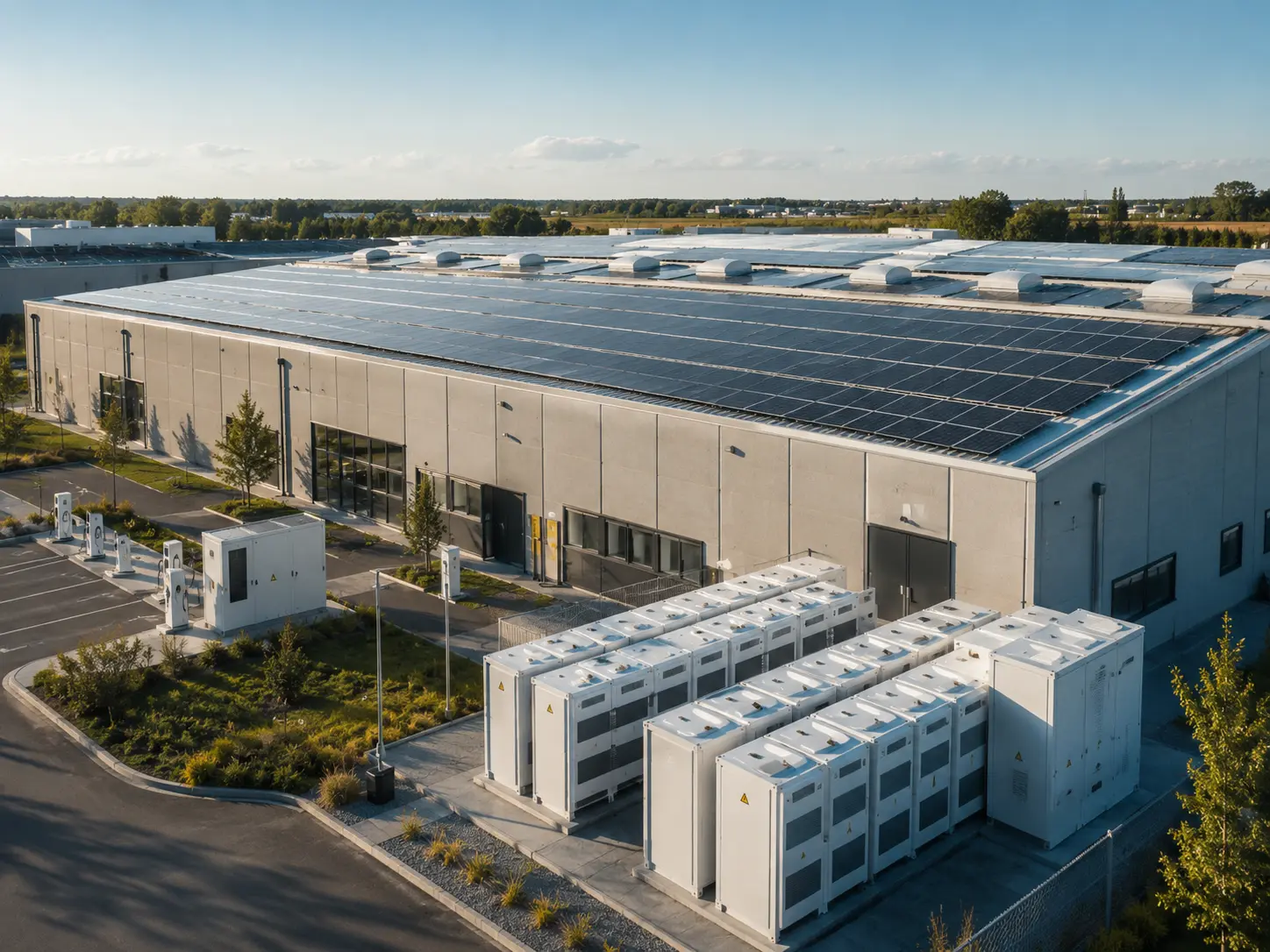
Typische Fehler bei Electricityhandel und PPA
- PPA-Preis mit dem Exchangendurchschnitt vergleichen: Relevant ist der effektive Portfoliopreis inklusive Profil-, Sleeving- und Wiederverkaufskosten.
- Loadgang ignorieren: Ohne Viertelstundenabgleich zwischen Erzeugungsprofil und Consumption werden Deckungsquote und Überschüsse falsch eingeschätzt.
- PPA zu groß dimensionieren: Hohe Surplusmengen bei Solar-PPAs werden zu niedrigen Marktwerten verkauft.
- Negative Preise vertraglich offen lassen: Ohne klare Regel trägt der Buyer womöglich Kosten für Electricity, den er nicht nutzen kann.
- Underestimating creditworthiness and security: long terms require robust security arrangements for both parties.
- Viewing procurement in isolation: grid fees, on-site generation, flexibility and storage change the optimal portfolio.
- Guarantees of origin und Scope-2-Berichterstattung nicht einplanen: Übertragung, Entwertung und Nachweisführung müssen vertraglich gesichert sein.
Ausblick: Electricityhandel und EE-PPA bis 2030
Three developments will shape the coming years. First, grid-fee reform changes the cost structure: with capacity charges from 2029, the interaction between procurement, flexibility and grid-connection capacity becomes more important. Second, according to the government draft of 29 July 2026, the EEG is intended to align new systems more strongly with price signals and end the fixed feed-in tariff [Source: Bundesregierung, „Kabinett beschließt EEG-Novelle und Netzpaket“, 29.07.2026, https://www.bundesregierung.de/breg-de/aktuelles/kabinett-eeg-novelle-netzpaket-strom-2448636]; this will reshape the relationship between supported assets and the PPA market [Details are currently being reviewed against the legislation].
Third, PPAs are becoming more structured: hybrid PPAs combining wind, solar and storage, tolling agreements for battery storage and shorter terms respond to cannibalization and negative prices. For companies, this means more products are available, but more data and control capability is also required on site.
Own illustration using published values from dena: PPA Market Analysis 2025, S. 4 (April 2026); Datengrundlage Pexapark. Einheitlicher Berichtsstand für 2023–2025: öffentlich angekündigte langfristige PPAs (> 5 Jahre) und FPAs. Gesamtkapazitäten sind im Bericht auf eine Dezimalstelle in GW gerundet. Battery FPA werden mit den berichteten MW ausgewiesen. Abruf 24.10.2026.
Fazit: EE-PPA und Electricityhandel als Baustein der Energieinfrastruktur
Ein EE-PPA ist für Unternehmen vor allem ein Instrument zur langfristigen Preisabsicherung und zur Dekarbonisierung der Electricitybeschaffung. Es ersetzt nicht den Electricityhandel, sondern bildet den Kern eines Portfolios, das Restmengen über Terminmarkt, Day-Ahead- und Intraday-Markt strukturiert. Die Beispielrechnung zeigt: Ob ein PPA günstiger ist als die Beschaffung am Terminmarkt, hängt vom künftigen Marktpreisniveau, vom PPA-Preis, vom Profil und von den Structureierungskosten ab.
Der deutsche PPA-Markt hat sich 2025 abgekühlt, insbesondere bei Solar-PPAs mit sinkenden Capture Rates und mehr negativen Preisen. Gleichzeitig entstehen neue Structureen mit Speichern und kürzeren Laufzeiten. Technisch setzt ein erfolgreiches PPA viertelstündliche Loadgangdaten, Prognosen, eine saubere Bilanzierung und ein Energiemanagementsystem voraus, das Flexibilität aktiv nutzt.
Strategisch lohnt sich ein EE-PPA besonders für Businesses with stabilem, planbarem Consumption, langfristiger Standortperspektive und Klimazielen. Wer Beschaffung, Netzanschluss, Eigenerzeugung und Flexibilität gemeinsam plant, macht aus dem Electricityeinkauf einen gesteuerten Teil der Energieinfrastruktur.
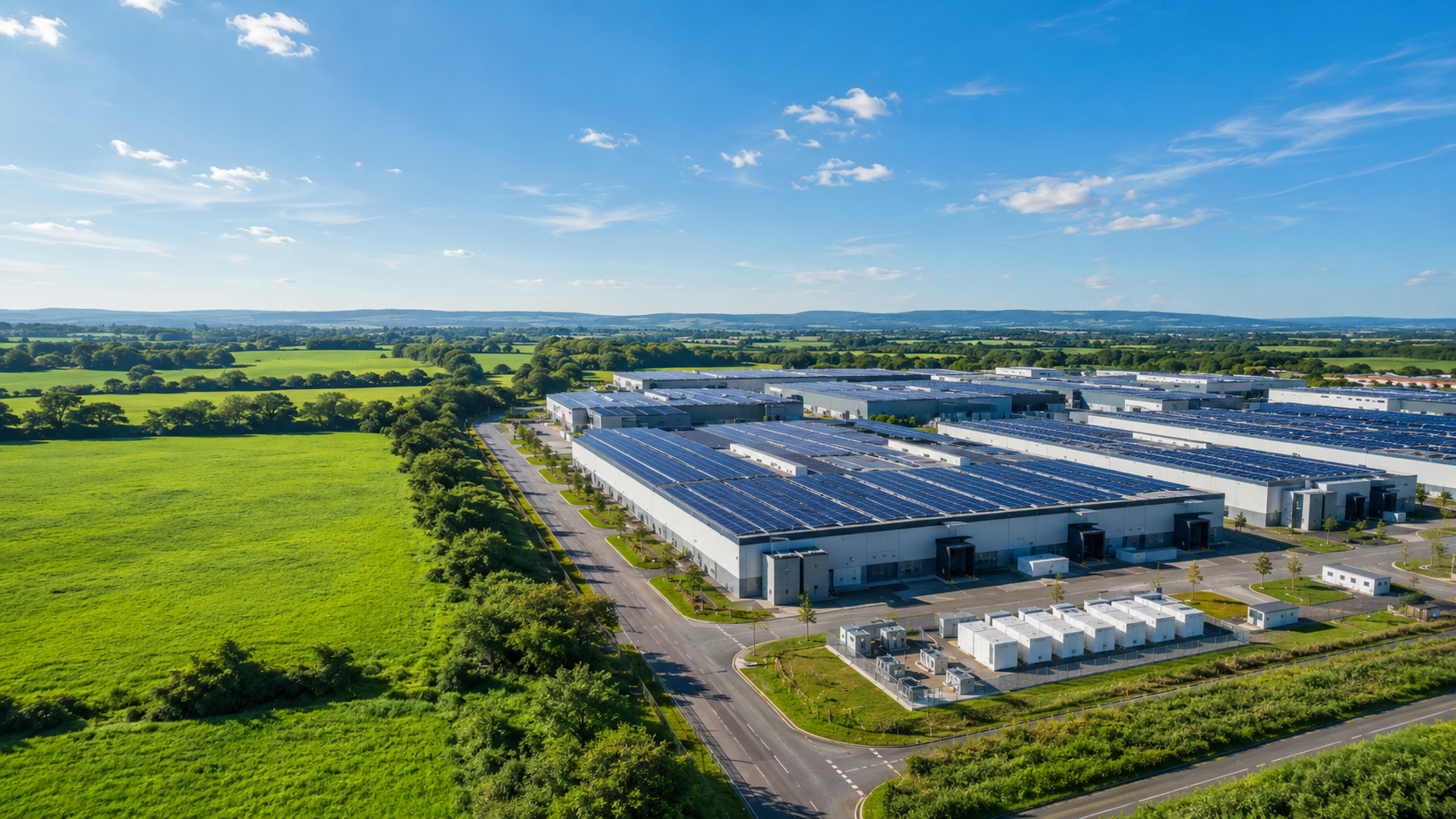
Häufig gestellte Fragen (FAQ) zu EE-PPA und Electricityhandel
What Is a Renewable PPA?
Ein EE-PPA ist ein langfristiger Electricityliefer- oder Absicherungsvertrag zwischen einem Unternehmen und dem Betreiber einer Wind- oder Solaranlage. Der Buyer sichert sich für typischerweise fünf bis fünfzehn Jahre einen festen oder strukturierten Preis und erhält in der Regel die Guarantees of origin der Anlage. Der Generator gewinnt planbare Erlöse für seine Finanzierung. EE-PPAs können physisch über das Netz, als On-site-Lieferung auf dem Betriebsgelände oder rein finanziell als Differenzvertrag gestaltet werden. In Deutschland wird der PPA-Electricity außerhalb der EEG-Förderung in der sonstigen Direktvermarktung verkauft.
Which Companies Benefit from a PPA?
Ein PPA eignet sich vor allem für Businesses with einem planbaren Jahresverbrauch ab einigen Gigawattstunden, langfristiger Standortperspektive, guter Bonität und Klimazielen, etwa für die Scope-2-Berichterstattung. Für kleinere Consumptioner sind gebündelte Modele über Versorger, On-site-PPAs oder Anteile an Portfolios oft praktikabler. Ob sich ein PPA rechnet, hängt vom Vergleich mit Terminmarkt-Szenarien, vom Loadprofil und von den Kosten für Structureierung und Ausgleich ab. Ein PPA ist in erster Linie eine Preisabsicherung; eine Einsparung ist nicht garantiert.
What Does a Solar PPA Cost?
Die dena nennt auf Basis von Pexapark für ein zehnjähriges Pay-as-produced-Solar-PPA mit Lieferbeginn 2027 eine Indikation von 40 bis 48 €/MWh mit Stand Juli 2025, ohne Kosten für Ausgleichsenergie, Guarantees of origin und Kreditrisiko. Für den Buyer kommen Kosten für Sleeving, Structureierung und den Wiederverkauf von Überschüssen hinzu. Aktuelle Preise schwanken mit dem Terminmarkt, den Capture Rates und den Vertragsregeln für negative Preise. Belastbare Werte liefern nur aktuelle Angebote oder Marktindizes zum Abschlusszeitpunkt.
What Is the Difference Between a Physical and Financial PPA?
Beim physischen PPA wird der Electricity über Bilanzkreise tatsächlich an den Buyer geliefert, meist mit einem Versorger, der die Mengen strukturiert und Fehlmengen ausgleicht. Beim finanziellen oder virtuellen PPA verkauft der Generator seinen Electricity am Markt, der Buyer kauft weiterhin bei seinem Lieferanten. Beide gleichen die Differenz zwischen Marktpreis und vereinbartem PPA-Preis finanziell aus. Finanzielle PPAs sind flexibler, können aber finanzmarktrechtliche und bilanzielle Anforderungen auslösen, die vorab geprüft werden sollten.
What Role Do Day-Ahead and Intraday Markets Play in a PPA?
Day-Ahead- und Intraday-Markt bestimmen den Wert von Überschüssen und die Kosten von Fehlmengen. Bei einem Solar-PPA fällt die Erzeugung mittags und im Summer an, wenn Preise oft niedrig oder negativ sind. Restmengen am Abend, in der Nacht und im Winter müssen dagegen häufig zu höheren Preisen beschafft werden. Seit Oktober 2025 wird der Day-Ahead-Markt in Viertelstunden gehandelt. Businesses with flexiblen Loaden oder Batteriespeichern können diese Preisspreizung nutzen und das Profilrisiko eines PPA verringern.
Wie werden negative Electricitypreise im PPA geregelt?
Übliche Regelungen sind: Der Buyer zahlt bei negativen Preisen nicht, die Anlage wird abgeregelt und die Menge entfällt; oder es gilt ein Mindestpreis von null; oder die Mengen werden gegen eine Kompensation weiter abgenommen. 2025 gab es in Deutschland 573 Stunden mit negativen Day-Ahead-Preisen, überwiegend zur Mittagszeit. Für Solar-PPAs ist die Regelung daher wirtschaftlich bedeutend. Die dena beobachtet, dass der Umgang mit negativen Stunden zunehmend vertraglich spezifisch vereinbart wird.
Can a PPA Be Combined with On-Site PV and Storage?
Ja. Eine eigene PV-Anlage deckt Consumption am Standort ohne Netzentgelte, ein PPA sichert weitere Mengen und Preise ab, und ein Batteriespeicher verschiebt Überschüsse in teure Stunden oder kappt Loadspitzen. Entscheidend ist, die Profile nicht doppelt einzuplanen: Eigenerzeugung und Solar-PPA liefern zur gleichen Tageszeit. Oft ist deshalb ein Wind-PPA oder ein Hybrid-PPA die bessere Ergänzung zur eigenen PV-Anlage. Ein Energiemanagementsystem koordiniert Eigenerzeugung, PPA-Fahrplan, Speicher und flexible Loaden.
What Legal Framework Applies to PPAs?
Auf EU-Ebene verpflichtet Art. 19a der Elektrizitätsbinnenmarkt-Verordnung in der Fassung von 2024 die Mitgliedstaaten, PPAs zu fördern und Hemmnisse abzubauen, etwa durch Garantieinstrumente. Für den Großhandel gelten die REMIT-Vorgaben gegen Insiderhandel und Marktmanipulation. National sind vor allem die sonstige Direktvermarktung nach § 21a EEG, Guarantees of origin nach § 79 EEG, das Doppelvermarktungsverbot nach § 80 EEG, Lieferantenpflichten nach dem EnWG und die Electricity tax relevant. Bei finanziellen PPAs kommen Finanzmarkt- und Bilanzierungsfragen hinzu.
Sources
[1] Verordnung (EU) 2024/1747 des Europäischen Parlaments und des Rates zur Änderung der Verordnungen (EU) 2019/942 und (EU) 2019/943 (u. a. Art. 19a, Erwägungsgründe 28–30). EUR-Lex. https://eur-lex.europa.eu/legal-content/DE/TXT/?uri=CELEX%3A32024R1747
[2] Verordnung (EU) 2019/943 über den Elektrizitätsbinnenmarkt, konsolidierte Fassung (Art. 2 Nr. 77). EUR-Lex. https://eur-lex.europa.eu/legal-content/DE/TXT/PDF/?uri=CELEX%3A02019R0943-20240716
[3] Bundesnetzagentur: Pressemitteilung „Bundesnetzagentur veröffentlicht Daten zum Electricitymarkt 2025“. 05.01.2026. https://www.bundesnetzagentur.de/SharedDocs/Pressemitteilungen/DE/2026/20260105_Smard.html
[4] Bundesnetzagentur: SMARD – Electricitymarktdaten für Deutschland. https://www.smard.de/home
[5] Umweltbundesamt: Hintergrundwissen Ökostrom: Electricitykennzeichen & Herkunftsnachweis. 2026. https://www.umweltbundesamt.de/themen/klima-energie/erneuerbare-energien/hintergrundwissen-oekostrom-stromkennzeichen
[6] BDEW Bundesverband der Energie- und Wasserwirtschaft: BDEW-Electricitypreisanalyse Herbst 2026. 21.08.2026. https://www.bdew.de/service/daten-und-grafiken/bdew-strompreisanalyse/
[7] Stadtwerke Witten: Industriestrompreis 2026. 2026. https://www.stadtwerke-witten.de/ueber-uns/aktuelles/magazin/industriestrompreis-2026 (Secondary source; Primary source: BMWE, Förderrichtlinie Industriestrompreis, BAnz AT 06.05.2026 B1 (Vollzug: BAFA); Referenzpreis 8,744 ct/kWh und Differenzpreis 3,744 ct/kWh für 2026 bestätigt)
[8] EPEX SPOT: 15-minute products live in EPEX SPOT Day-Ahead markets. 2025. https://www.epexspot.com/en/news/15-minute-products-live-epex-spot-day-ahead-markets [Title and date currently under review]
[9] European Energy Exchange (EEX): Marktdaten Electricity-Futures. https://www.eex.com/de/marktdaten/strom/futures [specific settlement values currently under review]
[10] Deutsche Energie-Agentur (dena): PPA-Marktanalyse 2025. April 2026. https://www.dena.de/fileadmin/dena/Publikationen/PDFs/2026/PPA_Marktanalyse_2025.pdf [Page numbers currently under review]
[11] Deutsche Energie-Agentur (dena): PPA-Marktanalyse 2025 – Datenüberblick und wichtigste Entwicklungen. 2026. https://www.dena.de/infocenter/ppa-marktanalyse-2025/
[12] Deutsche Energie-Agentur (dena): PPA-Marktanalyse 2024. 2025. https://www.dena.de/fileadmin/dena/Publikationen/PDFs/2025/PPA_Marktanalyse_2024.pdf
[13] Übertragungsnetzbetreiber: Marktwertübersicht. netztransparenz.de. https://www.netztransparenz.de/de-de/Erneuerbare-Energien-und-Umlagen/EEG/Transparenzanforderungen/Marktpr%C3%A4mie/Marktwert%C3%BCbersicht; accessed 10/2026.
[14] Messstellenbetriebsgesetz (MsbG): § 55. https://www.gesetze-im-internet.de/messbg/__55.html
[15] Bundesamt für Sicherheit in der Informationstechnik (BSI): Technische Richtlinie BSI TR-03109-5. https://www.bsi.bund.de/DE/Themen/Unternehmen-und-Organisationen/Standards-und-Zertifizierung/Smart-metering/Kommunikationsadapter/TechnRichtlinie/TR-03109-5.html
[16] Bundesnetzagentur: REMIT – Grundlagen (Verordnung (EU) Nr. 1227/2011 in der Fassung der Verordnung (EU) 2024/1106). https://www.bundesnetzagentur.de/DE/Fachthemen/ElektrizitaetundGas/HandelundVertrieb/REMIT/1Grundlagen/start.html
[17] Erneuerbare-Energien-Gesetz (EEG 2023): §§ 21a, 79, 80. https://www.gesetze-im-internet.de/eeg_2014/
[18] Energiewirtschaftsgesetz (EnWG): § 3. https://www.gesetze-im-internet.de/enwg_2005/__3.html
[19] Electricity taxgesetz (ElectricityStG): §§ 5, 9, 9b. https://www.gesetze-im-internet.de/stromstg/
[20] Bundesnetzagentur: Pressemitteilung „Bundesnetzagentur startet Konsultation zur Reform der Netzentgeltsystematik Electricity“. 06.08.2026. https://www.bundesnetzagentur.de/SharedDocs/Pressemitteilungen/DE/2026/20260806_Agnes.html
[21] CMS Hasche Sigle: AgNes-Verfahren: Neue Vorgaben für Consumptioner und Industrie. 2026. https://cms.law/de/deu/legal-updates/agnes-verfahren-neue-vorgaben-fuer-verbraucher-und-industrie (Secondary source; Primary source: Bundesnetzagentur, Festlegungsentwurf AgNes vom 06.08.2026, https://www.bundesnetzagentur.de/1059162)
[22] Bundesregierung: Kabinett beschließt EEG-Novelle und Netzpaket. 29.07.2026. https://www.bundesregierung.de/breg-de/aktuelles/kabinett-eeg-novelle-netzpaket-strom-2448636
[23] Europäische Kommission, Joint Research Centre: PVGIS. https://re.jrc.ec.europa.eu/pvg_tools/en/
[24] GHG Protocol: Scope 2 Guidance. https://ghgprotocol.org/scope-2-guidance [Status and applicability currently under review]