

Electrification bedeutet, fossile Energieträger durch Strom zu ersetzen, in der Process heat, im Fuhrpark und in Antrieben.
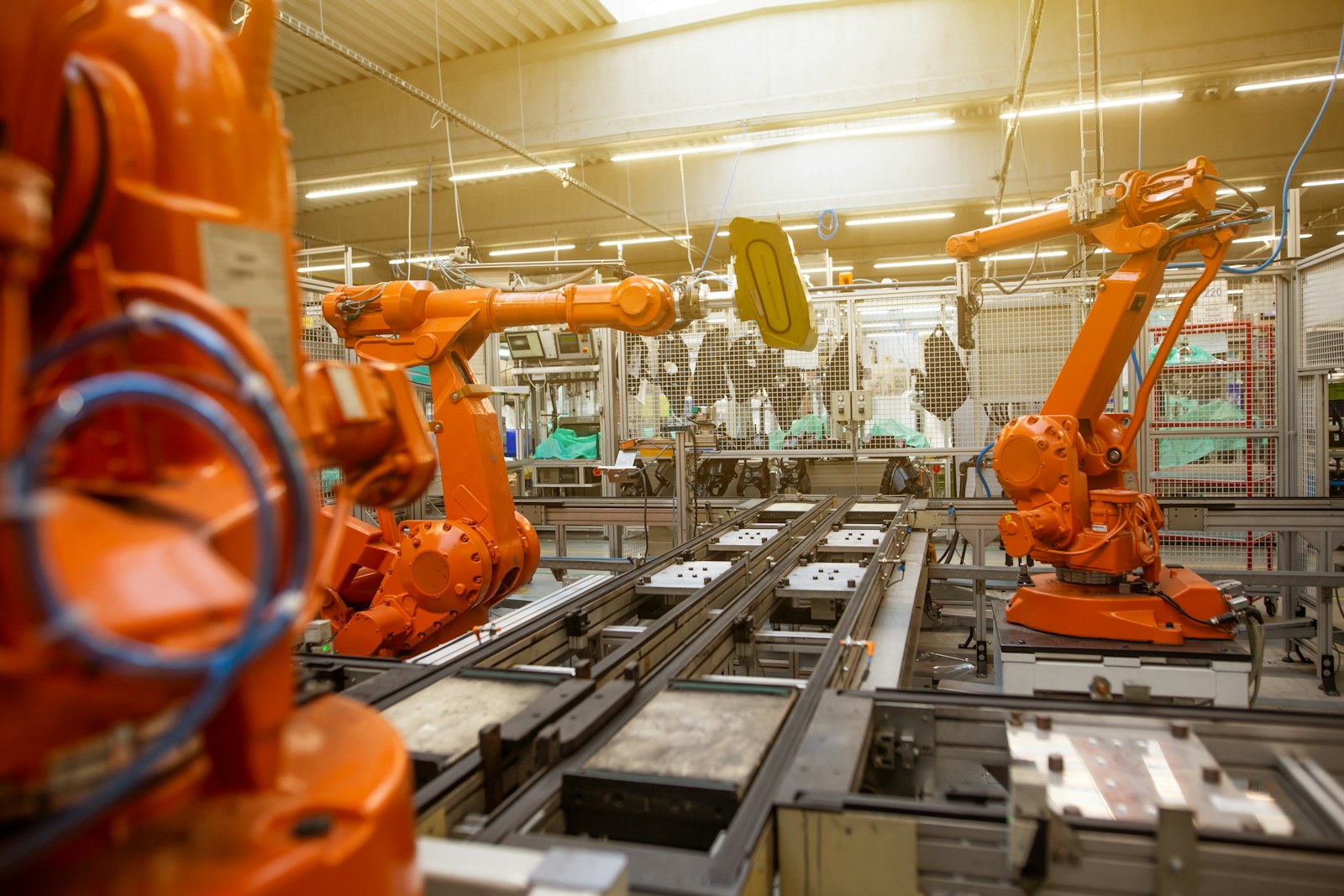
Electrification in der Industrie: Anschlussleistung, Transformator und Wirtschaftlichkeit der Umstellung
Electrification bedeutet, fossile Energieträger durch Strom zu ersetzen, in der Process heat, im Fuhrpark und in Antrieben. Das verlagert die Frage von der Brennstoffversorgung zur Stromversorgung: Wie viel Leistung braucht der Standort, kann der Netzanschluss sie liefern, und was kostet sie? Die Technik ist für vieles verfügbar. Entscheidend ist, die Umstellung als Standortprojekt zu planen und nicht je Gewerk einzeln.
Table of contents
- Direkte und indirekte Electrification
- Technologies
- Potential and limitations
- Grid connection capacity and transformer
- Electricity prices, grid fees and relief measures
- Flexibility and the electricity market
- Combine with photovoltaics and battery storage
- Roadmap
- Typical mistakes
- Frequently asked questions
- Initial consultation
Direkte und indirekte Electrification
Bei der direkten Electrification wird Strom unmittelbar genutzt, etwa in Wärmepumpen, Elektrodenkesseln, Öfen oder Fahrzeugen. Bei der indirekten Electrification wird Strom zunächst in einen Energieträger wie Wasserstoff umgewandelt. Für die meisten Anwendungen im Mittelstand ist die direkte Variante wirtschaftlicher, weil sie weniger Umwandlungsverluste hat. Electrification berührt Netzanschluss, Transformator, Gebäude, Prozesse, Fuhrpark und Beschaffung. Die Teilbereiche Wärme und Mobilität vertiefen die Seiten Wärme und Kälte sowie Ladeinfrastruktur, hier steht der Gesamtzusammenhang.
Technologies
Process heat
Heat pumps raise waste heat or ambient heat to a usable temperature. Electrode boilers produce steam or hot water with very low conversion losses, but require roughly one kWh of electricity per kWh of heat. For higher temperatures, depending on the process, options include resistance furnaces, induction heating, electric arc furnaces, infrared, microwave and high-frequency heating. Depending on the application, these technologies either replace a burner or fundamentally change the process.
Mobility and vehicle fleets
Electric vehicles shift energy demand from the fuel tank to the grid connection. Passenger-car and van fleets are usually charged overnight, while heavy commercial vehicles require DC charging power.
Drives and efficiency
Motoren, Pumpen, Ventilatoren und Druckluft sind bereits elektrisch. Hier bedeutet Electrification vor allem Effizienz und Steuerung. Wärmerückgewinnung, drehzahlgeregelte Antriebe und Abwärmenutzung senken den zusätzlichen Strombedarf. Effizienz ist deshalb der erste Schritt: Jede eingesparte Kilowattstunde verkleinert Anschlussleistung und Investition.
Potential and limitations
The technical potential is high. For an individual project, other questions are more important: what temperature level is required? Does the process run continuously or in batches? Is waste heat available? How much grid capacity is available, and how long would an upgrade take? Limitations may result from process chemistry, very high temperatures, spatial conditions and grid capacity. Electrification is economical where electricity and fuel prices align with the efficiency of the selected technology. The Heating & Cooling page explains the economic calculation in more detail.
Grid connection capacity and transformer
Additional power demand is the core issue of the project. Heat pumps, charging points and electric processes increase peak demand and utilization hours. The key factors are contracted connection capacity, transformer rating, switchgear, cable cross-sections and reserve capacity in the upstream grid. Section 17 EnWG forms the legal basis for grid connection and access. Procedures for allocating grid capacity and construction-cost contributions are changing. Prepare the connection request and required documents early and assess whether a flexible connection with controlled power would be sufficient.
Transformers and switchgear currently have long delivery times, in some cases well over a year. The ordering of the substation and transformer therefore becomes the scheduling anchor of the project, not the heat pump. Check delivery times with manufacturers early, expand capacity in stages and assess interim solutions such as continuing to operate the existing boiler. Control instead of expanding
Lastmanagement ist das wirksamste Instrument, um Electrification ohne vollständigen Netzausbau umzusetzen. Das Energiemanagementsystem misst die Leistung am Netzanschluss im Viertelstundenraster und steuert Wärmepumpe, Kältemaschinen, Ladepunkte, Speicher und Prozesse so, dass ein Grenzwert nicht überschritten wird. Es priorisiert: Prozesssicherheit zuerst, dann Netzgrenze, dann Kosten. Wärme- und Kältespeicher puffern Stunden, Fahrzeuge verschieben Ladezeiten, ein Batteriespeicher kappt die Spitze.
Calculation example (assumptions)
A business has a peak load of 900 kW and adds a heat pump with 167 kW electrical demand and charging points with 220 kW installed power. Without control, the peak rises to 1,287 kW. With load management and thermal storage, the heat pump contributes only half its power (83 kW) during the peak, while charging power is limited to 80 kW. The resulting peak is 1,063 kW, 224 kW lower. At an assumed demand charge of €110 per kW per year, this reduces annual costs by €24,640, in addition to savings from avoiding or reducing grid expansion. This only works if the processes allow the required load shifting. How demand charges will develop in the future remains open due to the AgNes grid-fee reform.
The metering concept separates consumers such as heating, mobility and processes using submeters so that economic performance, funding eligibility and relief measures can be documented. See Metering & Control and EMS & Smart Grid for more details.
Electricity prices, grid fees and relief measures
Kleine bis mittlere Industriebetriebe zahlten 2026 bislang durchschnittlich 17,9 ct/kWh. Netzentgelte wirken über Arbeits- und Leistungspreis, der sich nach der Jahreshöchstleistung richtet. Die Electrification erhöht Verbrauch und Spitze und verändert die Benutzungsdauer. Mit der Reform AgNes soll für größere Verbraucher der Leistungspreis durch einen Kapazitätspreis ersetzt werden, für Industriekunden werden die Sonderregeln noch konkretisiert. Das Produzierende Gewerbe wird bei der Stromsteuer entlastet, für energieintensive Unternehmen gibt es zudem weitere Entlastungen. Ob Ihr Betrieb anspruchsberechtigt ist, hängt von Branche und Strom- und Handelsintensität ab und wird vor der Planung geprüft. Der CO₂-Preis verteuert fossile Brennstoffe und verbessert damit den Vergleich zugunsten von Strom. Die Marktlage fasst die Seite Intelligentes Energiemanagement zusammen.
Flexibility and the electricity market
Electrified loads become flexible when storage and control are available. With dynamic tariffs, the price follows the day-ahead market, where 15-minute products have been traded since 1 October 2025. Businesses that can shift heat pumps, electrode boilers, chillers and charging processes into low-price periods can reduce procurement costs and relieve the grid. The benefit depends on the price spread, which is difficult to predict. Calculations should therefore be conservative. For most mid-sized companies, peak shaving, procurement and self-consumption remain the main priorities. See the Flexibility page for more details.
Combine with photovoltaics and battery storage
On-site generation reduces grid consumption from additional electrical loads. Photovoltaics work well with heat pumps, chillers and workplace charging that operate during the day. Battery storage reduces peaks when several electrified loads operate simultaneously and relieves the grid connection and transformer. The order matters: first measure load data, then implement load management and thermal storage, and only then use battery storage for any remaining peak. All systems should be managed within a common optimization model; separate control systems for each trade can create conflicts. See the Photovoltaics and Battery Storage pages for more information.
Roadmap
- Data and efficiency: measure load profiles and heating and cooling demand by process, and exploit efficiency and waste-heat potential
- Target architecture: define which processes, temperatures and vehicles will be electrified by when, and what total power demand results Grid connection: preliminary inquiry, transformer and substation with reserve capacity, with delivery times as the scheduling anchor
- Metering concept and energy management: submeters, 15-minute metering and load management
- First expansion stage: convert applications where temperatures are low, demand is steady and the economics are clear
- Flexibility and on-site generation: thermal storage, photovoltaics and, where needed, battery storage
- Second stage: higher temperatures, electrode boilers or process conversion, while retaining fossil generation as reserve
Each stage should be economically viable on its own, and the infrastructure—conduits, substation space and transformer capacity—should be designed to accommodate the next stage.
Typical mistakes
- Electrification je Gewerk geplant statt als Standortkonzept, Summenleistung und Gleichzeitigkeit bleiben unbekannt
- Transformer and switchgear ordered too late
- Grid connection and construction-cost contribution not clarified early
- Boilers and fossil backup capacity decommissioned too early
- Economics calculated only using today’s demand charge
- No submeters, making funding and relief measures impossible to document
- Process requirements not coordinated with the control system
- Funding assumed without checking eligibility requirements
Frequently asked questions
Muss ich für die Electrification den Netzanschluss ausbauen? Not necessarily. Part of the expansion can often be avoided through load management, thermal storage and controlled charging power. We use your load profile to determine how much additional power actually occurs simultaneously. Where should you start? With data and efficiency: measure load profiles, exploit waste-heat potential and define the target architecture. The grid connection follows because its delivery times often determine the project schedule.
Is funding available? Für Process heat aus erneuerbaren Energien kommt die Bundesförderung für Energie- und Ressourceneffizienz in der Wirtschaft in Betracht, für Mess- und Steuerungstechnik ebenfalls. Anträge müssen vor Beginn des Vorhabens gestellt werden. Die aktuellen Bedingungen prüfen wir vor der Planung, siehe Fördermittelberatung.
Initial consultation
We assess your site as a whole and clarify in the initial consultation how much power the conversion requires and how it can be provided most economically.