logotype
  • Solutions
    Analysis & Consulting
    Energy Analysis
    Load Profiles
    Economic Feasibility Analysis
    Funding Advisory
    Standards & Compliance
    Energy Infrastructure
    Photovoltaics
    Battery Storage
    Charging Infrastructure
    Heating & Cooling
    Electrification
    Smart Energy Management
    EMS & Smart Grid
    Metering & Control
    Forecasting & Data Analysis
    Flexibility
    Monitoring & Visualization
    Optimization & Marketing
    Peak Shaving
    Self-Consumption Optimization
    Direct Marketing
    Electricity Trading & Renewable PPA
    Energy Sharing
  • Technology
  • References
  • Company
    • Our Team
  • Contact
  • Deutsch
logotype
logotype
  • Solutions
    Analysis & Consulting
    Energy Analysis
    Load Profiles
    Economic Feasibility Analysis
    Funding Advisory
    Standards & Compliance
    Energy Infrastructure
    Photovoltaics
    Battery Storage
    Charging Infrastructure
    Heating & Cooling
    Electrification
    Smart Energy Management
    EMS & Smart Grid
    Metering & Control
    Forecasting & Data Analysis
    Flexibility
    Monitoring & Visualization
    Optimization & Marketing
    Peak Shaving
    Self-Consumption Optimization
    Direct Marketing
    Electricity Trading & Renewable PPA
    Energy Sharing
  • Technology
  • References
  • Company
    • Our Team
  • Contact
  • Deutsch
logotype
  • Solutions
    Analysis & Consulting
    Energy Analysis
    Load Profiles
    Economic Feasibility Analysis
    Funding Advisory
    Standards & Compliance
    Energy Infrastructure
    Photovoltaics
    Battery Storage
    Charging Infrastructure
    Heating & Cooling
    Electrification
    Smart Energy Management
    EMS & Smart Grid
    Metering & Control
    Forecasting & Data Analysis
    Flexibility
    Monitoring & Visualization
    Optimization & Marketing
    Peak Shaving
    Self-Consumption Optimization
    Direct Marketing
    Electricity Trading & Renewable PPA
    Energy Sharing
  • Technology
  • References
  • Company
    • Our Team
  • Contact

Optimization & Marketing

HomeOptimization & Marketing
  1. Solutions
  2. Optimierung & Vermarktung

Optimize and market electricity: more value from every kilowatt-hour in your business

Businesses that want to optimize and market electricity have five levers: reduce peak loads, use solar power on site, sell surpluses, hedge procurement and share electricity with neighbors. Which lever delivers the greatest benefit depends on your load profile, your system and your supply contract. This page shows how these levers interact and where to start.

Contact
Table of contents
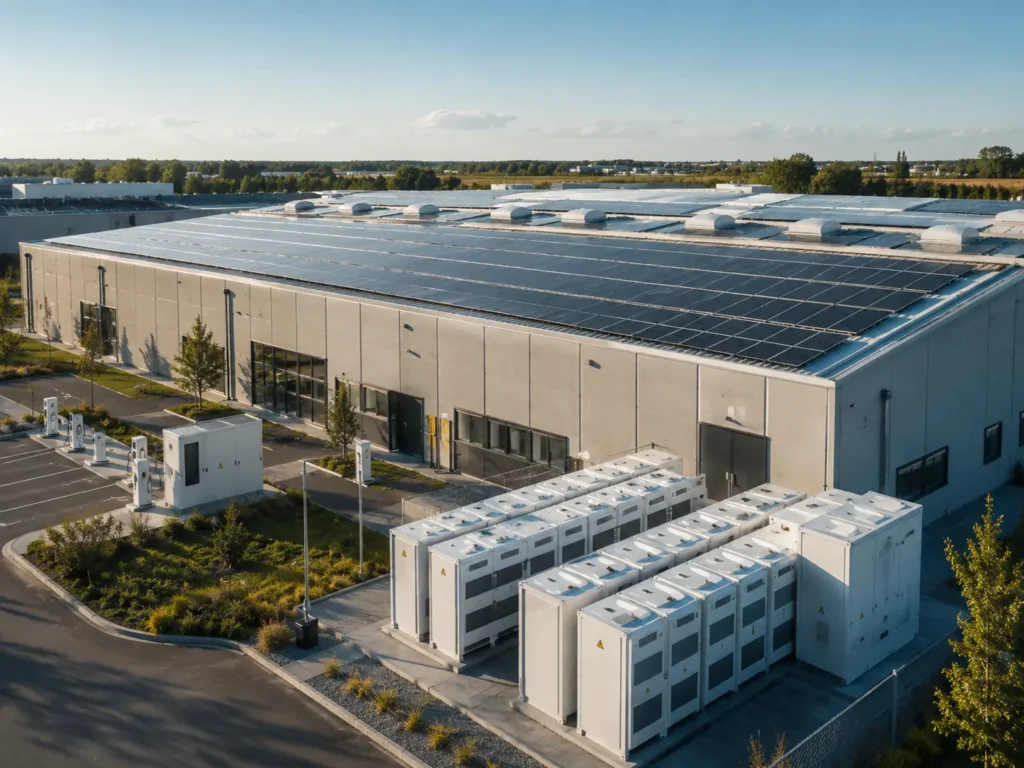
ChatGPT Image Aug 19, 2026, 11_02_45 AM

How the building blocks work together

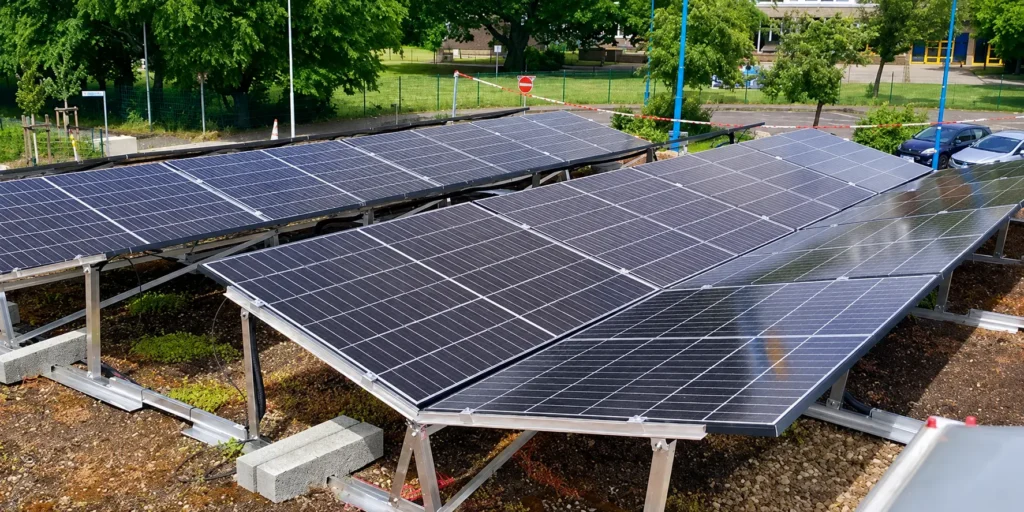
ChatGPT-Image-Aug-20,-2026,-10_22_59-AM (1)

Electricity costs arise in three areas: at the grid connection through energy and demand charges, in procurement through the electricity price in the supply contract, and with on-site generation through the question of what happens to the generated electricity. A typical sequence follows the economic value:

  • Limit peak loads, because every avoided peak reduces the annual demand charge
  • Increase self-consumption, which replaces grid electricity at the full purchase price
  • Store, share or market remaining surpluses
  • Procure residual demand via supply contracts, the futures market and the spot market

Table of contents

An EMS translates this sequence into schedules and setpoints. This is necessary because the building blocks sometimes compete for the same resources, such as battery storage capacity. The impact of each building block depends on the load profile, grid level, system size and procurement strategy. A blanket savings forecast would therefore not be reliable. The starting point is an analysis of your load profile.

The five building blocks

Peak Shaving Peak shaving limits grid consumption to a defined demand level using battery storage, load management or both. At sites with registered demand metering, the annual demand charge is based on the highest annual demand. The value of peak shaving depends on utilization hours, the level of the demand charge and the shape of the peaks. With the planned grid-fee reform, reliably maintaining a demand limit will become even more important (see legal status).

Self-consumption optimization It increases the share of self-generated solar power that is consumed on site at the same time through system sizing, load shifting, battery storage and dynamic price signals. This also applies during periods of negative wholesale prices: shifting consumption and battery charging into these periods reduces grid consumption.

Direct marketing A direct marketer sells electricity from a renewable energy system on the electricity exchange or to an offtaker. Feed-in remuneration is only available for systems up to 100 kW. Larger systems receive support as a market premium, which requires direct marketing of the electricity. The FAQ explains how negative prices affect support.

Electricity trading & renewable PPA A renewable PPA is a long-term supply or financial contract for electricity from a wind or solar plant. It secures price and origin, but does not replace electricity trading: residual volumes and surpluses are structured on the futures, day-ahead and intraday markets. Whether a PPA is cheaper than procurement on the futures market depends on market prices, the PPA price, the load profile and structuring costs.

Energy Sharing Since 1 June 2026, distribution system operators must enable electricity from renewable energy systems to be shared with other final consumers in the same balancing area. From 1 June 2028, this will also apply to the directly adjacent balancing area within the same control area. Participation is open to

households and small and medium-sized enterprises, but not large enterprises.

Legal status in November 2026

What optimization and marketing mean

  • AgNes grid-fee reform: The Smart Energy Management page explains how the demand charge for large consumers is intended to be replaced by a capacity charge. According to the Federal Network Agency’s interim position of 27 May 2026, new generation facilities are expected to pay a feed-in charge of €4 to €7 per kW per year, while existing facilities would be exempt for 20 years. New grid-connected storage facilities would pay a capacity charge of the same amount if their investment decision is made after the regulation enters into force. These rules are not yet binding.
  • 2027 EEG amendment: The Federal Cabinet adopted the government draft on 29 July 2026. It proposes a gradual transition away from fixed feed-in remuneration and limits the feed-in capacity of small and medium-sized rooftop PV systems to 50 percent. The Bundestag Committee on Economic Affairs and Energy held a hearing on the draft on 5 October 2026. It is not yet applicable law.

How to get started

Start with the analysis before investing in storage or contracts. Each stage delivers value on its own and prepares the next:

  • Analysis: Evaluate 15-minute load profiles, grid-fee billing, the supply contract and, where available, generation data
  • Site optimization: Implement peak shaving and self-consumption using existing controllable assets, and only then size a storage system
  • Utilize surpluses: Assess direct marketing or energy sharing and account for rules on negative prices
  • Procurement: Structure residual demand through tranches, spot-indexed contracts or a PPA
  • Integration: Manage storage, flexible loads and contracts jointly in the EMS

Three mistakes can be avoided: installing storage without prior load-profile analysis, contracts without rules for negative prices, and energy-sharing projects without a clarified metering concept.

The value logic: from the grid connection to the electricity market

Frequently asked questions about optimization and marketing

Avoid peak loads → Self-consumption → Store/share → Market → Procure residual demand
  1. Avoid peak loads
  2. Self-consumption
  3. Store/share
  4. Market
  5. Procure residual demand
Own illustration

Where optimization and marketing create economic value

Self-consumption, Direktvermarktung oder Energy Sharing: Was ist wirtschaftlicher? Meist der zeitgleiche Self-consumption, weil er Netzstrom zum vollen Bezugspreis ersetzt. Bei Anlagen über 100 kW ist die Direktvermarktung ohnehin der Weg für die Förderung. Energy Sharing steht nur kleinen und mittleren Unternehmen und Haushalten im selben Bilanzierungsgebiet offen. Welche Variante sich rechnet, zeigt der Lastgang.

How do negative prices affect a PV system? For systems commissioned from 25 February 2025, the applicable support value falls to zero from the first negative 15-minute interval. Exceptions apply to very small systems. For solar systems, the support period is extended by only half of these periods. Shifting consumption or battery charging into these hours means using the electricity on site.

Lever

Effect

Details

Reduce demand charges

höchste Viertelstundenleistung des Jahres begrenzen; bei hoher Benutzungsdauer besonders wirksam

Peak-Shaving

Self-consumption erhöhen

Replace grid electricity at the full purchase price with on-site PV electricity

Self-consumptionsoptimierung

Market surpluses

Marktprämie als Erlösuntergrenze; Profil-, Prognose- und Negativpreisrisiken steuern

Direktvermarktung

Hedge procurement

langfristige Preise und Herkunftsnachweise über EE-PPA; Restmengen über Termin-, Day-Ahead- und Intraday-Markt

Stromhandel & EE-PPA

Share electricity

Supply surpluses to other final consumers in the same balancing area instead of feeding them into the grid

Energy Sharing

Use negative prices

Shift consumption and battery charging to hours with negative prices and reduce feed-in

Self-consumptionsoptimierung, Direktvermarktung

Prepare for grid-fee reform

Reliably maintain demand limits once capacity charges under AgNes apply

Peak-Shaving

What role does battery storage play? Er verbindet mehrere Bausteine: Er kappt Lastspitzen, verschiebt PV- Überschüsse in die Abendstunden und kann bei negativen Preisen laden. Weil diese Anwendungen um dieselbe Kapazität konkurrieren, sollte ein EMS sie priorisieren. Für Peak-Shaving zählt vor allem die Leistung, für Self-consumption und Vermarktung die Kapazität.

Initial consultation

The five building blocks von Optimierung & Vermarktung

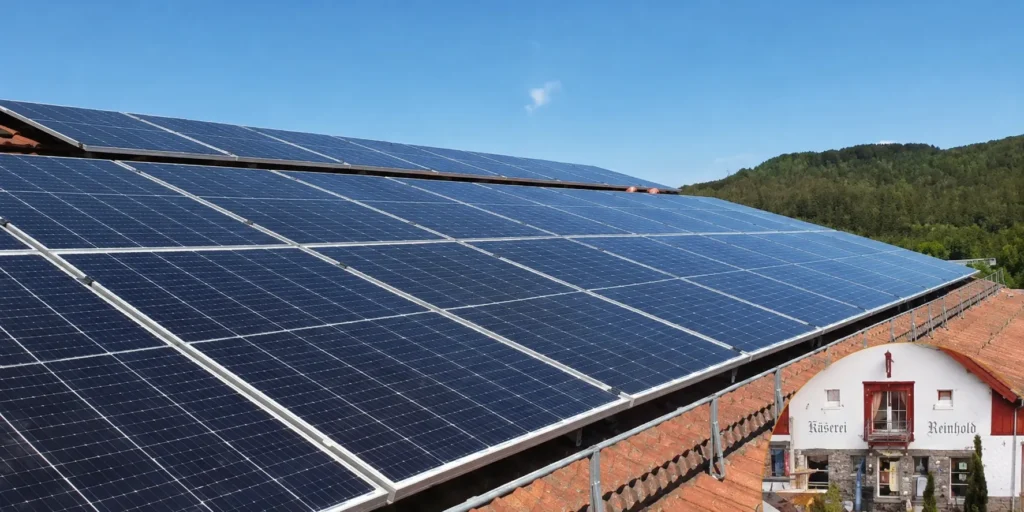
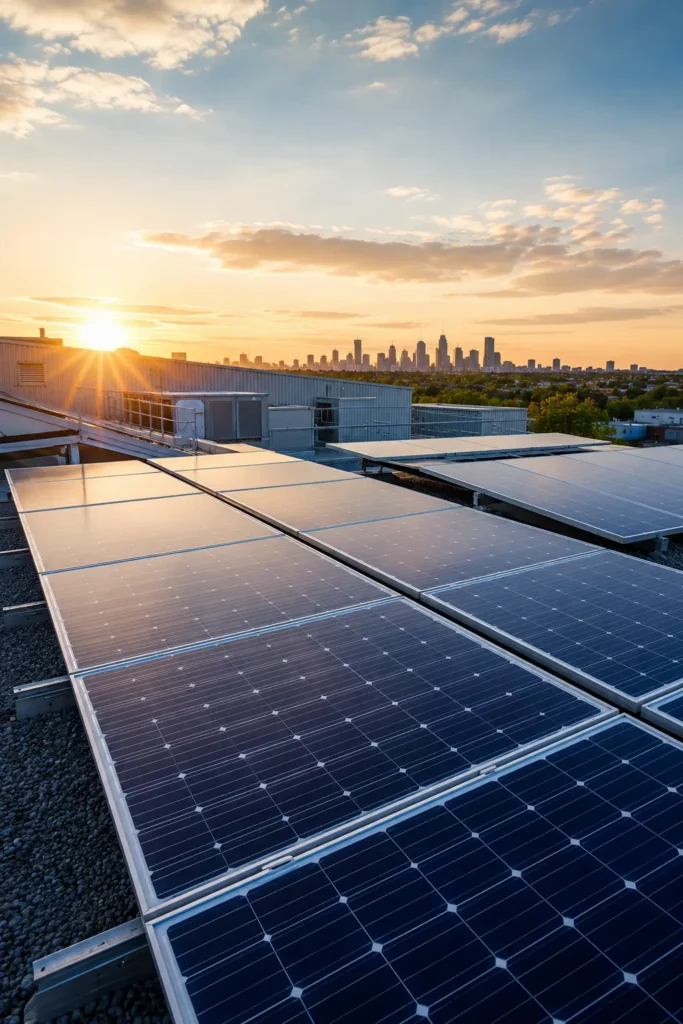
Peak-Shaving

Peak-Shaving begrenzt den Netzbezug auf einen definierten Leistungswert – mit Batteriespeicher, Lastmanagement oder beidem. Für Unternehmen mit registrierender Leistungsmessung senkt das den Jahresleistungspreis des Netzentgelts, der sich aus der höchsten gemessenen Leistung des Abrechnungsjahres ergibt. Entscheidend sind Benutzungsdauer, Höhe des Leistungspreises und Form der Lastspitzen. Peak-Shaving
Self-consumptionsoptimierung

Self-consumptionsoptimierung erhöht den Anteil des selbst erzeugten Solarstroms, der zeitgleich im Betrieb genutzt wird – über Anlagenauslegung, Lastverschiebung, Batteriespeicher und dynamische Preissignale. Der Wert einer selbst verbrauchten Kilowattstunde liegt im Industriebereich typischerweise beim Zwei- bis Dreifachen des Einspeiseerlöses. Self-consumptionsoptimierung

Direktvermarktung

Bei der Direktvermarktung verkauft ein Direktvermarkter den Strom einer EE-Anlage an der Strombörse oder an einen Abnehmer; für neue PV-Anlagen über 100 kW ist sie Pflicht. Die gleitende Marktprämie gleicht die Differenz zwischen anzulegendem Wert und Marktwert aus. Der Jahresmarktwert Solar von 4,508 ct/kWh im Jahr 2025 zeigt, wie stark die gleichzeitige Solareinspeisung die Erlöse drückt. Direktvermarktung

Stromhandel & EE-PPA

Ein EE-PPA ist ein langfristiger Liefer- oder Finanzvertrag über Strom aus einer Wind- oder Solaranlage. Er sichert Preise und Herkunft ab, ersetzt den Stromhandel aber nicht: Restmengen und Überschüsse werden über Terminmarkt, Day-Ahead- und Intraday-Markt strukturiert. Ob ein PPA günstiger ist als die Beschaffung am Terminmarkt, hängt von Marktpreisniveau, PPA-Preis, Profil und Strukturierungskosten ab. Stromhandel & EE-PPA

Energy Sharing

Seit dem 1. Juni 2026 müssen Verteilnetzbetreiber ermöglichen, dass Strom aus erneuerbaren Anlagen über das öffentliche Netz mit anderen Letztverbrauchern im selben Bilanzierungsgebiet geteilt wird, ab dem 1. Juni 2028 auch im direkt angrenzenden Netzgebiet derselben Regelzone. Teilnehmen können Haushalte, KMU, Genossenschaften und kommunale Akteure; Großunternehmen sind ausgeschlossen. Netzentgelte und Umlagen fallen weiterhin an. Energy Sharing

Framework conditions 2026: regulation and electricity market

Welche Bausteine an Ihrem Standort zuerst wirken, zeigt die Analyse Ihres Lastgangs. Das klären wir im Initial consultation. The five building blocks vertiefen wir auf eigenen Fachseiten.

Getting started and scalable expansion

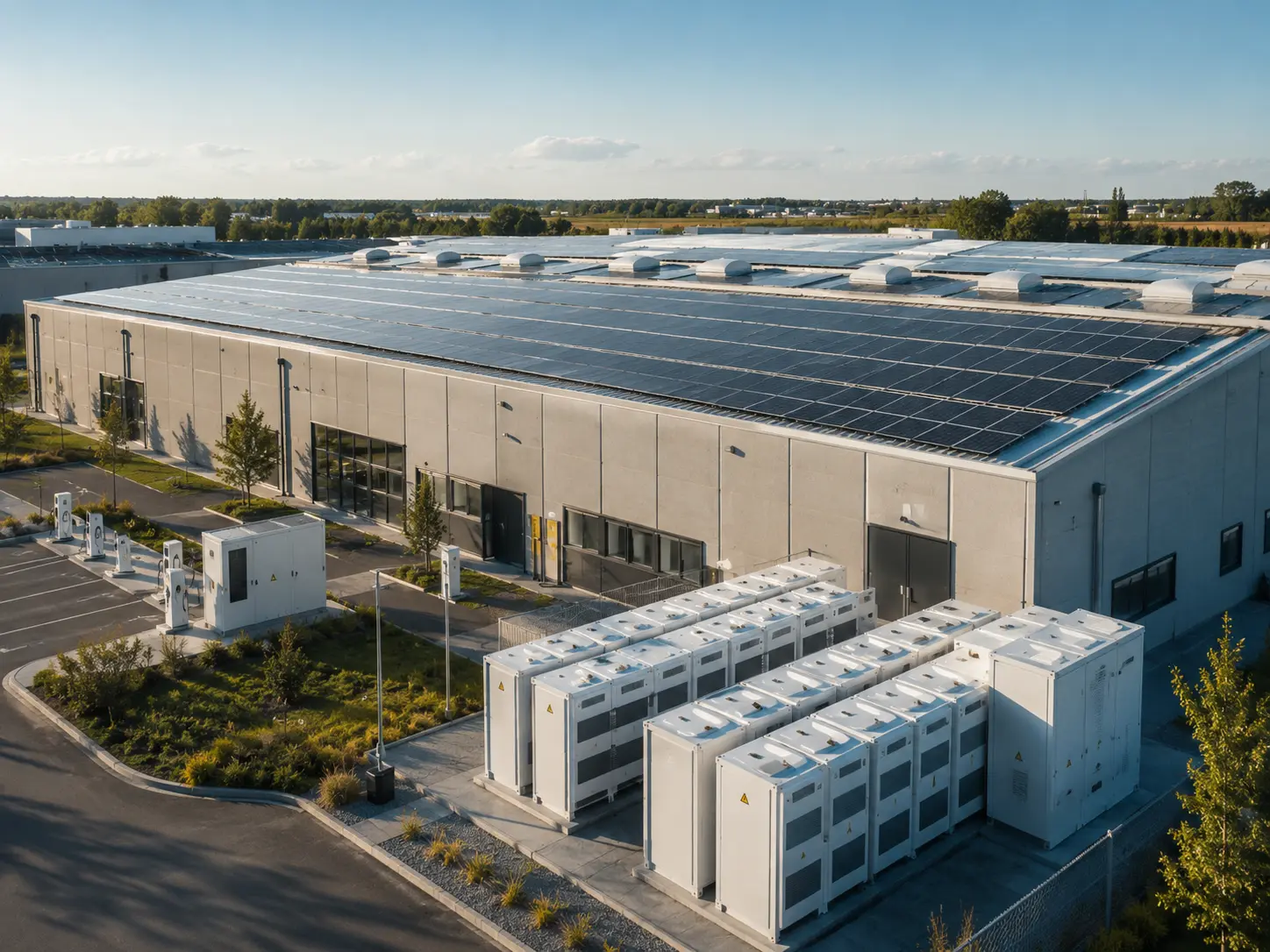
ChatGPT Image Aug 28, 2026, 11_38_33 AM

Fazit: Optimierung & Vermarktung als wirtschaftlicher Lever der Energieinfrastruktur

ChatGPT Image Aug 20, 2026, 10_22_59 AM

Frequently asked questions (FAQ) about Optimization & Marketing

What is meant by electricity optimization and marketing?

Gemeint sind alle Maßnahmen, mit denen ein Unternehmen die Kosten seines Strombezugs senkt und für selbst erzeugten Strom den höchsten Wert erzielt. Dazu gehören Peak-Shaving zur Senkung des Leistungspreises, die Self-consumptionsoptimierung von PV-Strom, die Direktvermarktung von Überschüssen, die Strombeschaffung über Stromhandel und EE-PPA sowie Energy Sharing mit anderen Letztverbrauchern. Grundlage sind viertelstundengenaue Messdaten, Prognosen und ein Energiemanagementsystem. The five building blocks werden auf eigenen Unterseiten vertieft.

Which building block should a business start with?

Am Anfang steht die Analyse des Viertelstunden-Lastgangs und der Netzentgeltabrechnung. Unternehmen mit registrierender Leistungsmessung und ausgeprägten Lastspitzen profitieren meist zuerst vom Peak-Shaving, Unternehmen mit eigener PV-Anlage von der Self-consumptionsoptimierung. Direktvermarktung, Energy Sharing und PPA werden relevant, sobald Überschüsse entstehen oder die Beschaffung langfristig abgesichert werden soll. Welche Reihenfolge wirtschaftlich ist, hängt von Lastprofil, Netzentapply, Anlagengröße und Vertragslaufzeiten ab.

Self-consumption, Direktvermarktung oder Energy Sharing – was ist wirtschaftlicher?

In der Regel ist der zeitgleiche Self-consumption am wirtschaftlichsten, weil er Netzstrom zum vollen Bezugspreis ersetzt. Für verbleibende Überschüsse sichert die Direktvermarktung mit Marktprämie eine Erlösuntergrenze. Energy Sharing kann einen höheren Erlös als die Einspeisung bringen, der Vorteil ist aber begrenzt, weil beim Abnehmer Netzentgelte und Umlagen voll anfallen. Energy Sharing und Marktprämie lassen sich kombinieren: Der geteilte Strom gilt als sonstige Direktvermarktung und ist selbst nicht förderfähig, der nicht geteilte Reststrom kann weiter im Marktprämienmodell vermarktet werden; § 21b Abs. 2 EEG nimmt diese Kombination von der Pflicht zur festen prozentualen Aufteilung aus. Mit der festen Einspeisevergütung ist Energy Sharing dagegen nicht kombinierbar [Source: FfE, „Gesetzliche Premiere für Energy Sharing“, 2026, https://www.ffe.de/wp-content/uploads/2026/03/FfE_Gesetzliche-Premiere-fuer-Energy-Sharing-Regulatorische-Rahmenbedingungen-und-naechste-Schritte.pdf; Stiftung Umweltenergierecht, Vortrag vom 29.01.2026, https://stiftung-umweltenergierecht.de/vortrag-zum-energy-sharing-in-%C2%A7-42c-enwg-was-bedeutet-die-neue-vorschrift-fuer-buerger-netzbetreiber-und-elektrizitaetsversorgungsunternehmen/].

What role does battery storage play?

Ein Batteriespeicher ist das zentrale Werkzeug, das mehrere Bausteine verbindet: Er kappt Lastspitzen, verschiebt PV-Überschüsse in die Abendstunden, kann bei negativen Preisen laden und Energy-Sharing-Mengen zwischenspeichern, sofern er ausschließlich erneuerbaren Strom speichert. Weil diese Anwendungen um dieselbe Kapazität konkurrieren, sollte ein Energiemanagementsystem sie priorisieren. Für Peak-Shaving zählt vor allem die Leistung, für Self-consumption und Vermarktung die Speicherkapazität.

Sources (overview page)

The five specialist areas in detail:

logotype

4U Group plans energy solutions for industry and commercial businesses, from analysis and photovoltaics to battery storage, energy management and energy marketing.

Solutions

____

Analysis & Consulting
Energy Infrastructure
Smart Energy Management
Optimization & Marketing

Contact

____

+49 151 7238 6603
info@4u-group.eu
Bachstraße 36, 61350 Bad Homburg vor der Höhe

© 2026 4U-Group GmbH. All rights reserved.

Legal Notice
Privacy Policy
Terms & Conditions
Wir verwenden Cookies
Wir verwenden notwendige Cookies, um unsere Website sicher und zuverlässig bereitzustellen. Optionale Technologien setzen wir nur mit Ihrer Einwilligung ein. Sie können Ihre Auswahl jederzeit in den Datenschutzeinstellungen ändern.
Funktional Always active
Die technische Speicherung oder der Zugriff ist unbedingt erforderlich, um einen ausdrücklich gewünschten Dienst bereitzustellen oder eine Nachricht über ein elektronisches Kommunikationsnetz zu übertragen.
Präferenzen
Die technische Speicherung oder der Zugriff ist erforderlich, um Einstellungen zu speichern, die nicht ausdrücklich angefordert wurden.
Statistik
Die technische Speicherung oder der Zugriff erfolgt ausschließlich zu statistischen Zwecken. Die technische Speicherung oder der Zugriff erfolgt ausschließlich zu anonymen statistischen Zwecken. Ohne zusätzliche Informationen lassen sich die gespeicherten Daten in der Regel keiner Person zuordnen.
Marketing
Die technische Speicherung oder der Zugriff wird verwendet, um Nutzerprofile für Werbung zu erstellen oder Nutzer über Websites hinweg für ähnliche Marketingzwecke zu verfolgen.
  • Manage options
  • Manage services
  • Manage {vendor_count} vendors
  • Read more about these purposes
Einstellungen
  • {title}
  • {title}
  • {title}